TMGL v2: information and results shared from the start
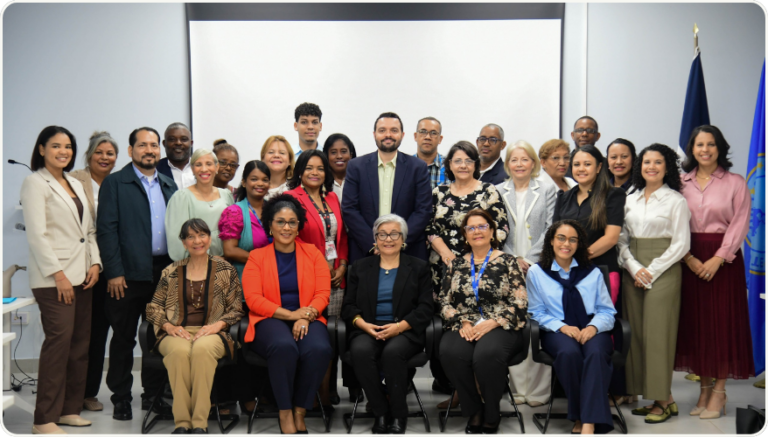
When the BIREME team gathered for the new development phase of TMGL v2—the next phase of the World Health Organization Traditional Medicine Global Library (WHO TMGL)—the goal was clear: the meeting could not end with just a shared vision. In line with agile methodologies, the value of a kick-off lies in planning ahead; the sooner the technical knowledge of those who will develop each product is shared, the sooner dependencies and risks become visible to those planning the development.
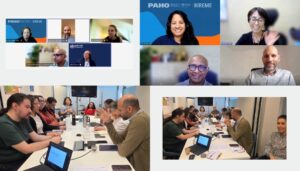
The opening presentation covered the essentials: the vision for transitioning from a repository that aggregates data to a platform that interprets it; the six-function architecture that underpins the library; and the roadmap of products and services that make up the work program through December 2027. The presentation was just the starting point; the real work began afterward, when participants split into two large groups, and leaders and technical staff mapped out each product in the TMGL v2 Plan, identifying—among other things—where a deadline is feasible, where resources may be lacking, and where risks are already known.
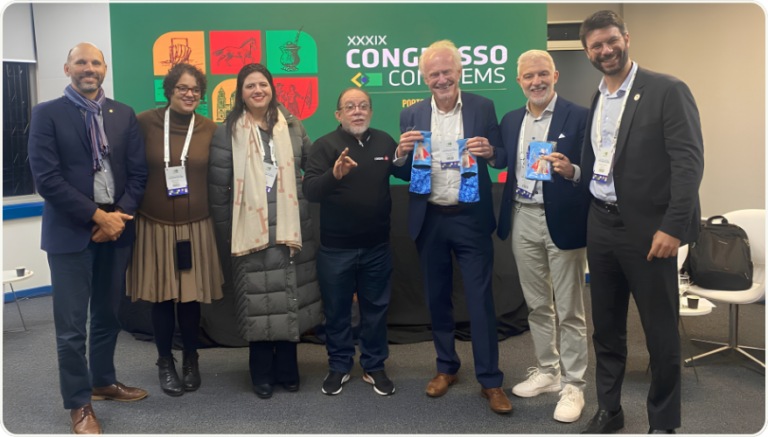
This kick-off exercise reinforces, on a technical level, a series of strategic discussion meetings already underway with the team from the WHO Global Traditional Medicine Centre (GTMC), which shares with BIREME the governance role for TMGL v2, ensuring that the platform integrates digital infrastructure, a conceptual framework, and operational deliverables with ethical governance of knowledge. The same approach of proactive listening had already been tested, for example, at the Regional Consultation for Prioritizing Research on Traditional, Complementary, and Integrative Medicines (TCIM), held in São Paulo in June 2025, when BIREME and the WHO GTMC gathered key insights from experts, Library users, managers, and decision-makers.
From vision to work organization
For the 2026–2027 biennium, BIREME and the WHO GTMC aim for TMGL to evolve “from a comprehensive digital repository into a pluriepistemic intelligence platform that contributes to evidence-informed policies, ethical digital preservation, and interaction among diverse knowledge systems”.
To this end, twelve products are planned for the new development phase, with a focus on strengthening the evidence ecosystem by transforming diverse knowledge into structured, searchable evidence ready for synthesis. Among the highlights, the Library will make the following available to its users: a portal for clinical trials in traditional medicine; a portal for systematic reviews; the Global Index of Journals on the subject (Traditional Index Medicus, TIM); and an AI-powered preprint repository.
Following the presentation, two working groups (WG) were formed: the Developers WG (DEV), focused on technical aspects and data processing, and the Information Products and Services WG (PSI), focused on curation, access, and scientific evidence. Together, the two groups covered the twelve products and services outlined in the roadmap.
To ensure that the resulting plans could later be compared and compiled into a single document, each group was asked to perform the same exercise. Thus, for each product or service, the teams mapped out the macro-activities and specific activities, the timelines in months, the necessary resources, and the foreseeable risks.
According to Mirelys Puerta-Díaz, the project’s focal point at BIREME, “the goal was not just to map out activities for planning purposes—it was to help each team understand how their work fits into the development roadmap and the actions needed to achieve the deliverables outlined in the vision for the products and services of the new TMGL v2 model”.
Two meetings, one plan
This survey was conducted over the course of two joint meetings, with the groups working simultaneously in the same room. At the first meeting, each group focused on its own deliverables, and at the end, there was a quick round of sharing among the groups—enough to begin identifying where one deliverable depended on the work of another group.
It was during the second meeting that these dependencies took definitive shape through collective discussion. Each group presented its findings, and deadlines and resources were adjusted in light of what the other group also needed for prior deliverables. Recurring risks—such as the development of other parallel projects competing for the same consultants, limited computing capacity, and reliance on external validations—appeared across various products in both groups and came to be treated as shared risks, rather than isolated by team.
At the end of the two sessions, each of the twelve products had its sequence of macro-activities and specific activities detailed month by month, with resources and risks identified. Some examples illustrate the level of detail achieved:
- Global Journal Index (TIM): led by the PSI Working Group, this project encompassed six major activities—definition of criteria, mapping and selection of journals, data entry, processing, publication of the index, and public launch—with specific teams assigned to each stage (PSI, FIR, DEV/ITI, DIR/COM).
- Indexing and semantic structuring: led by the DEV Working Group, this phase was estimated to take 19 months, from the processing infrastructure to AI-assisted automatic indexing, with risks such as language bias and a lack of cultural diversity in the vocabulary already identified.
- AI-powered preprint repository: fifteen months mapped from editorial policy to publication, with each activity already identified as having its own associated risk—delays in corpus delivery, post-implementation instability, and disagreements among stakeholders.
Why this format?
The decision to divide the work into two groups, rather than keeping the discussion more general, addressed a specific need: the twelve products under consideration require very different technical and product knowledge, and no single meeting would have had enough time to explore each one in the necessary detail. At the same time, having the two groups work side by side—rather than on different days or in different rooms—allowed dependencies between products to be identified early on, while it was still easy to adjust them.
The results were immediately apparent:
- Each product now had an execution plan with deadlines and assigned responsibilities, not just a high-level description.
- Dependencies between teams—which had previously been implicit—were documented and made visible to everyone.
- Requests that depend on third parties (WHO, scientific committees, external partners) were identified and assigned to a single point of contact.
- The team left the kick-off meeting with aligned expectations and a shared vision of the project’s next steps.
What comes next
With the product specific plans now in place, the next step is to consolidate them into a single executive plan and resolve the outstanding requests with the WHO GTMC and WHO—particularly those involving terminology validation and access to international classifications. The first TMGL v2 deliverables are scheduled for December 2026 and July 2027, as part of an enhancement roadmap that will be completed in time for the WHO’s 3rd Global Traditional Medicine Summit.