Opening of Digital Memorial exhibition documents Indigenous memories
On September 30, BIREME/PAHO/WHO was in Manaus to accompany the opening of the traveling exhibition “The Infinite Memory of the Pandemic: the history of COVID-19 through the experiences of all Brazilians,” linked to the COVID-19 Pandemic Digital Memorial. The ceremony was held at the Museu da Cidade de Manaus – Paço da Liberdade, bringing together representatives of the Ministry of Health, BIREME, and Unicamp, municipal government authorities, representatives of organized civil society, researchers, Indigenous leaders, and an estimated audience of 250 people.
Organized by the Ministry of Health through the Ministry of Health Cultural Center (CCMS), in partnership with the Municipality of Manaus, the exhibition presents, across ten immersive stations, part of the collections preserved by the Digital Memorial. Photographs, videos, testimonials, and other records document different experiences of the pandemic in Brazil, addressing topics such as grief, isolation, solidarity, education, motherhood, the work of health professionals, and community coping strategies. Admission is free, and the exhibition will remain in Manaus through November 29.
The opening ceremony brought together different voices connected to the experience of the pandemic in Amazonas. Speakers included Márcio Bráz, president-director of the Municipal Foundation for Culture, Tourism and Events (Manauscult); Nagib Salem, municipal secretary of Health; Ruan Octávio, office coordinator and representative of the Ministry of Culture; Henrique Medeiros, superintendent of the Ministry of Health in Amazonas; and Maria Resende Caetano, coordinator-general of Documentation and Information at the Ministry of Health, who represented Minister of Health Alexandre Padilha.
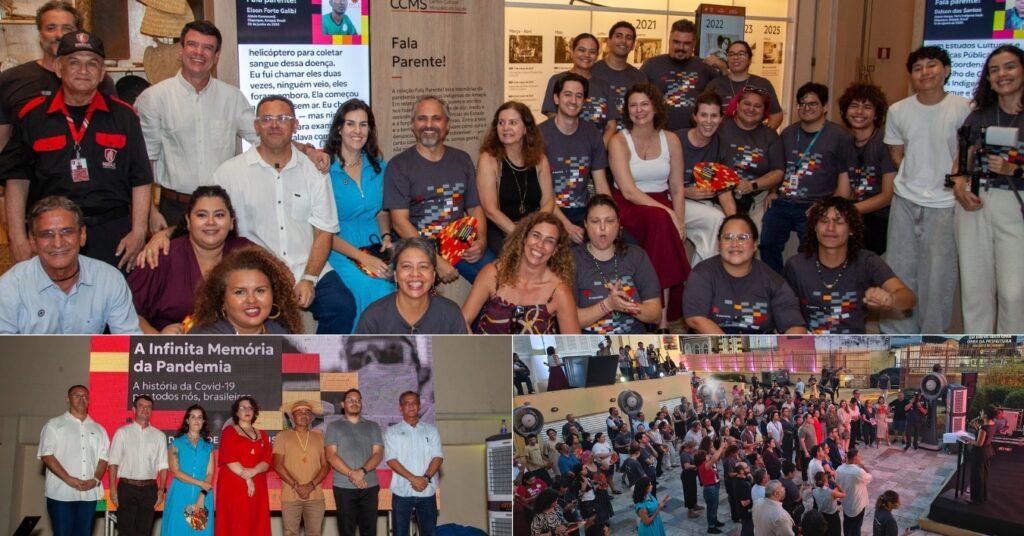
One of the highlights of the ceremony was the remarks by Mônica Pinto, daughter of pharmacist-biochemist and epidemiologist Rosemary Costa Pinto, who served as president-director of the Amazonas Health Surveillance Foundation (FVS) and died in January 2021 from complications of COVID-19. In her remarks, Mônica paid tribute to her mother’s memory, bringing a personal dimension of the losses caused by the pandemic to the ceremony.
Everton Mura, articulation coordinator of the Mura Indigenous Council; Rafael Castro de Melo, a physician who worked on the front lines during the pandemic; and Davi Assayag also shared their experiences. Their accounts reinforced the exhibition’s purpose of bringing together individual and collective experiences and preserving different dimensions of the pandemic, from health care and family losses to community forms of resistance and the construction of memory.
Preserving the memories of the Mura people
BIREME’s agenda in Manaus also included an activity aimed at expanding the Digital Memorial’s collections. Leaders of the Mura Indigenous Council (CIM), from the municipality of Autazes (AM), took part in a nearly two-hour conversation circle, during which they shared stories about the impacts of the pandemic, Indigenous medicines, strategies of resistance, irreparable losses, and tributes to those who passed away.
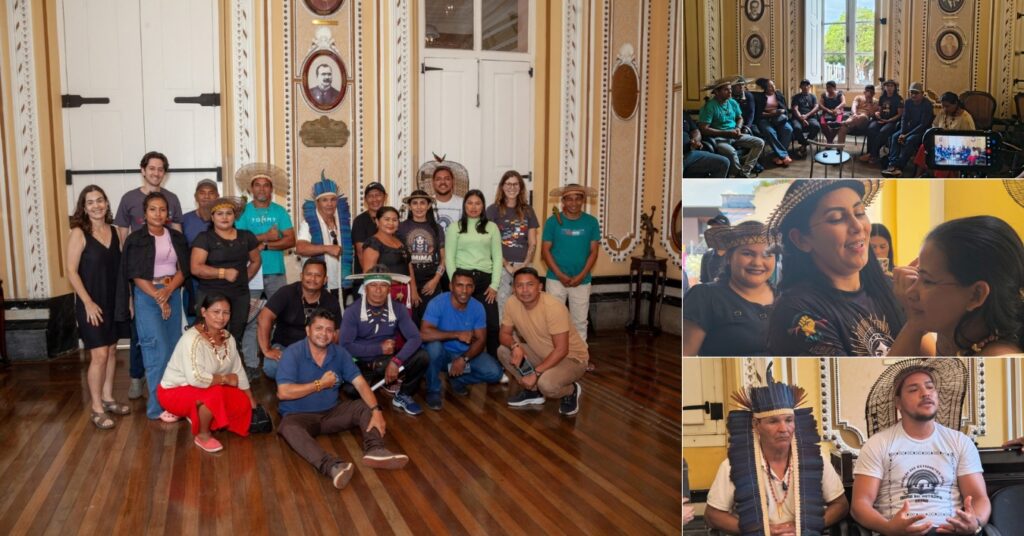
The group interview was facilitated by Ian Marino, coordinator of Curation and Archiving for the Digital Memorial, and Ellen Nicolau, a CCMS consultant responsible for the traveling exhibition’s educational program. The meeting was documented through photography, audio, and video by BIREME/PAHO/WHO, in partnership with Unicamp’s Center for Digital Humanities.
The materials collected may give rise to new records for the Memorial and, in the future, to documentary-format content, broadening access to the voices and experiences shared by Mura leaders and adding new records of Indigenous perspectives to the initiative’s collection.
The exhibition’s passage through Manaus, as well as through other regions of the country, expands opportunities for dialogue about the social, cultural, and human impacts of COVID-19 and underscores the importance of preserving memory as part of the collective response to public health crises.
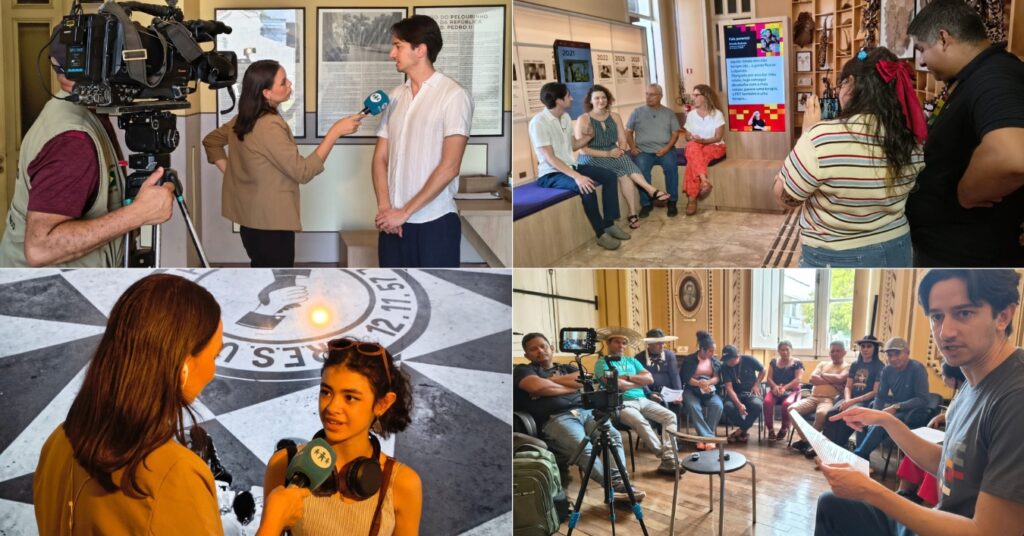
The project is part of the actions to preserve, organize, and provide access to memories of the pandemic developed within the framework of cooperation among the Ministry of Health, BIREME/PAHO/WHO, and Unicamp. The agenda carried out in Manaus linked the circulation of the exhibition with the production of new records for the Digital Memorial, strengthening its purpose of bringing together multiple experiences of COVID-19 in Brazil and making them accessible to present and future generations.