Facilitated access to memories of the COVID-19 pandemic in Brazil
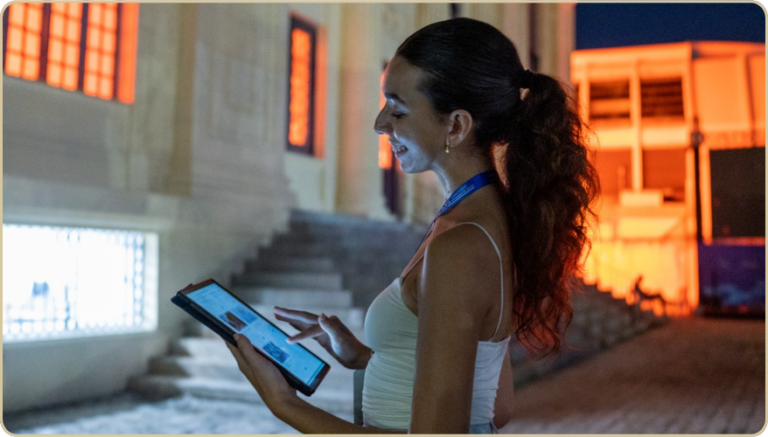
The COVID-19 Pandemic Digital Memorial Portal was developed to facilitate access to records from the pandemic in Brazil. With an intuitive interface and simplified navigation features, the platform allows different audiences—such as students, researchers, educators, and the general public—to explore collections, conduct searches and consult content in an organized and systematic manner.

Developed by BIREME for the Virtual Health Library (VHL) ecosystem, the search tool allows users to locate content across different categories, such as collections and publications, facilitating the retrieval of specific information within the collection. This functionality enables access to both documentary records from the collection and content from the VHL, integrating different types of information into a single search environment.
From the home page, users can browse thematic collections, access news and explanatory materials, and consult scientific and technical publications related to the pandemic. In a single environment, the portal brings together records produced by the public, institutional publications, and academic references, offering multiple paths for exploration according to each visitor’s interests. Access to documents is organized through a main menu that includes sections such as Memorial, Collections, Library, Exhibitions, News, and Contact.
Among these sections, particular attention is given to areas dedicated to the organization of collections, scientific and technical output, and the presentation of institutional and exhibition content, allowing users to navigate through different dimensions of the pandemic’s memory. The need for an environment like this becomes evident given the volume of content generated during the COVID-19 pandemic. Records ranging from epidemiological bulletins to personal accounts were widely published on digital platforms, often in a scattered manner and with no guarantee of preservation.
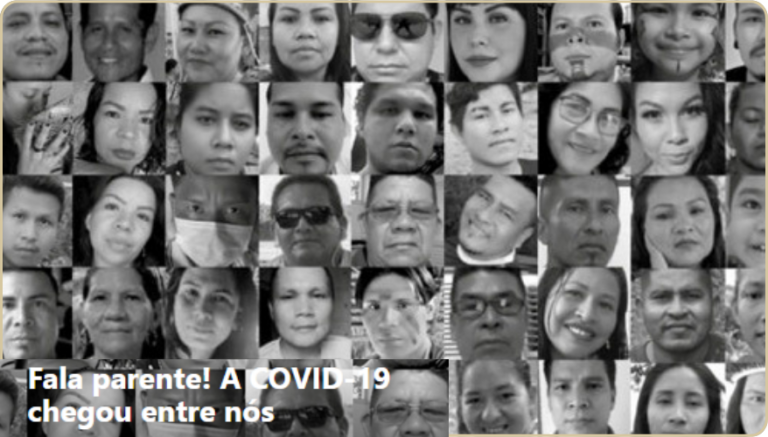
The portal addresses this situation by organizing and making these materials available in a structured way, expanding public access to information. “I feel that we are preserving much more than just documents. We are preserving feelings, modes of expression, reflections, outpourings, and testimonies that emerged during one of the most dramatic moments in history and, in a way, bringing all of this into contact, into dialogue, through a freely accessible portal,” says researcher Josiane Roza de Oliveira, who is responsible for collecting and curating the collections.
Browsing and searching for collections and other documents
When accessing a collection, users find information about its origin, the people responsible for its creation, and the types of materials it contains. This format highlights both the records and the individuals and groups who contributed to their creation. The collections are organized to allow for different levels of exploration, including contextual descriptions, identification of those responsible for the content, and direct access to digital records. This structure facilitates both exploratory browsing and searches guided by specific themes or interests.
In addition to the collections, the portal features a section dedicated to scientific and technical output, bringing together databases, documents, theses, and other materials related to the pandemic. Among these resources, highlights include bibliographic databases, Windows of Knowledge, Evidence Maps, and specialized repositories, which organize and facilitate access to scientific research on COVID-19. “Making scientific and technical publications available on the Digital Memorial Portal is a key strategy for expanding access to reliable sources of information, promoting deeper knowledge and strengthening critical analysis of the topic through the integration of different types of evidence and scientific output,” comments Juliana Sousa, project manager and focal point at BIREME.
Resources such as DeCS — Health Sciences Descriptors — are also available, contributing to the standardization and retrieval of information. This content complements the archival collection and expands its use for research and teaching purposes. The portal also features multimedia content, such as institutional videos and virtual exhibitions, diversifying the ways in which users can access and interact with the collection.
Access to the records is provided through Tainacan, a Brazilian digital repository platform that allows collections to be organized, described, and made available in a web environment in a structured and accessible manner. Learn more about the technologies applied to the portal’s development in the article Technologies and methods that preserve information and knowledge – BIREME/PAHO/WHO Bulletin.
A constantly updated environment
The Digital Memorial Portal was designed as a dynamic platform, configured to allow for the continuous addition of new collections and content. The initiative includes open calls for the donation of records and the integration of new collections, enabling various groups and institutions to contribute to the expansion of the repository.
As a result, the portal tracks the evolution of memories of the pandemic over time and establishes itself as a space for public access, consultation, and the production of knowledge about the Brazilian experience during COVID-19.