Memory, knowledge, and health equity highlight the releases of the month
Health promotion, the reduction of inequalities, and the preservation of collective memory are increasingly strategic dimensions for strengthening health systems and building more inclusive, culturally sensitive responses guided by the lived experiences of communities. In line with PAHO’s mission to reduce health inequalities in the Region of the Americas, BIREME’s technical cooperation works to expand and democratize access to scientific and technical health information, developing initiatives aimed at valuing the diversity of knowledge, social memory, and equitable access to knowledge.
Reflecting this commitment, the third session of the program “BIREME 2026: New Releases and Updates,” held on April 30, 2026, brought together 78 participants from 10 countries in Latin America and the Caribbean, as well as Portugal, to discuss the theme “Memory and Equity in Health: Launches of the Digital Pandemic Memorial and the VHL of Indigenous Peoples.” The meeting brought together experts, managers, and institutional representatives to discuss digital solutions aimed at preserving health memory and valuing traditional and intercultural knowledge.
In his opening remarks, BIREME Director João Paulo Souza emphasized that the two products represent “digital spaces where knowledge converges,” focused on valuing different forms of knowledge production. In addressing the importance of the Indigenous Peoples Virtual Health Library, he stated that the portal recognizes “that there is organic knowledge within communities, and this is legitimate evidence to guide the development of public policies.” The same principle guides the COVID-19 Pandemic Digital Memorial, by recognizing the lived experience of communities as a fundamental part of building collective memory and producing evidence on the social impacts of the pandemic.
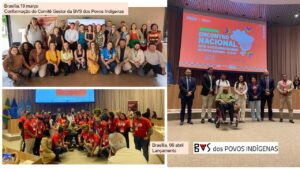
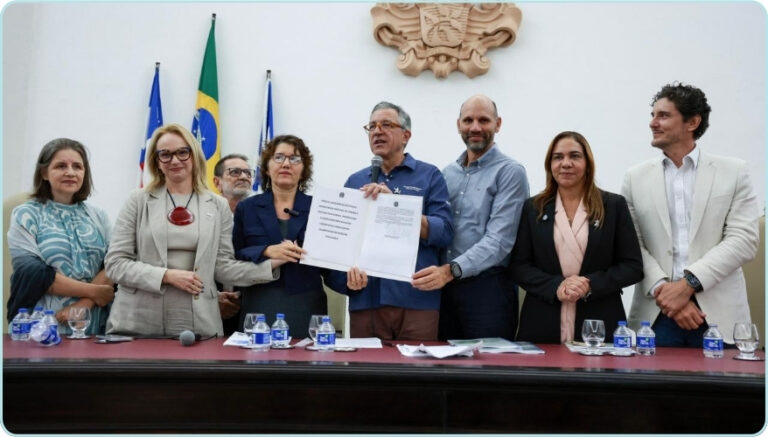
During the presentation of the Indigenous Peoples VHL, Verônica Abdala, a manager at BIREME, highlighted the project’s development in cooperation with SESAI, noting that it is now available to the public as a freely accessible knowledge resource on indigenous health. The portal brings together scientific literature, institutional documents, historical materials, Windows of Knowledge, content on the Special Indigenous Health Districts (DSEIs), as well as records related to traditional medicines and the healthcare systems of indigenous peoples.
Representing SESAI, Francisco Alex Sales emphasized the importance of the Indigenous Peoples VHL for strengthening health equity and valuing ancestral indigenous knowledge. As he noted, the VHL serves as a tool capable of bringing health professionals closer to the realities experienced in these territories and contributing to responses that are more sensitive and culturally appropriate for indigenous populations.
The session also featured Putira Sacuena, Deputy Secretary of SESAI, who emphasized the importance of documenting indigenous knowledge and preserving the memory of indigenous peoples as fundamental strategies for cultural appreciation and strengthening health equity. In her remarks, she noted that “as an Indigenous researcher, we lacked access to initiatives like this during our undergraduate and graduate studies,” reinforcing the need to value Indigenous knowledge on its own terms. Watch the full video of her message.
In the second part of the meeting, Juliana Sousa, from BIREME, presented the COVID-19 Pandemic Digital Memorial portal, which is dedicated to preserving records, accounts, images, and other documents produced during the pandemic. The initiative aims to ensure permanent access to diverse social narratives about the period, bringing together content produced by institutions, professionals, communities, and citizens.
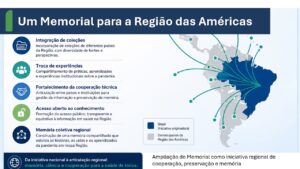
Juliana emphasized that the Memorial stems from the recognition that the pandemic has generated a vast digital memory that is at risk of disappearing. “More than just preserving, it is about transforming this memory into knowledge,” she stated.
Ian Marino, a representative of UNICAMP’s team of digital preservation experts, commented on the global challenges related to preserving the memories created during the pandemic. In his remarks, he highlighted the innovative nature of the COVID-19 Pandemic Digital Memorial and its relevance as a public-interest initiative focused on posterity and the preservation of collective experiences: “The Memorial fosters openness to dialogue and the use of technologies available in our time for a democratic process of creating knowledge, memories, and the future”.
Throughout the session, participants also discussed the methodological and technological challenges involved in preserving different types of materials and narratives, especially content produced outside traditional scholarly communication channels. The webinar was part of the institutional program “BIREME 2026: Launches and New Developments,” an initiative that promotes monthly sessions focused on presenting new products, services, methodologies, and strategic projects developed by the Center and its cooperation networks.
The recording of the session is available on BIREME’s playlist on PAHO TV. Watch, share, and follow the programming throughout the year.