Emotions management in skills development
BIREME conducted the first two modules of the 2026 Organizational Development Track, an initiative aimed at developing its staff and promoting well-being in the workplace. The sessions addressed self-awareness, self-care, and mental health in the first module, and the management of emotions such as stress, anger, sadness, and masculinity in the second.
The program is part of a series of activities implemented at BIREME to support the development of behavioral competencies that foster motivation, commitment, and engagement among the entire team in a safe environment that facilitates learning at both the individual and collective levels, noted Silvia de Valentin, Administrator.
Led by facilitator Rogério Cortes of Catalisar Educação Corporativa, the activities prioritized participant involvement and the collective construction of knowledge. Questions, group discussions, reflective exercises, and everyday situations were used as a starting point for presenting and applying the concepts.
“We sought to create a space for people to exchange experiences and knowledge, making the participants the protagonists,” explained Cortes. According to the facilitator, the goal was not to present the topics as absolute truths, but to encourage reflection on their complexity and allow different perspectives to be shared throughout the learning journey.
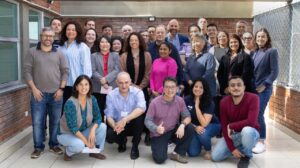
Self-awareness begins with an inward look
The first module, titled “Self-Awareness, Self-Care, and Mental Health,” used the Wheel of Life as a tool to encourage a closer look at different dimensions of personal experience. The activity covered ten areas: leisure, finances, intellectual development, emotions, spirituality, physical health, work, and family, intimate, and social relationships.
This choice stemmed from the understanding that mental health is the result of the interaction between biological, psychological, and social factors. Rather than prescribing in advance what it would mean to take care of each area, the exercise invited participants to formulate their own criteria and rate, on a scale of 1 to 10, how they perceived each dimension of their lives.
To foster a state of greater mindfulness, the group also engaged in a mindfulness practice based on Jon Kabat-Zinn’s stress reduction protocol. The exercise involved tasting a raisin, first automatically and then with attention to its aromas, flavors, textures, shapes, colors, and the sensations it evoked. The activity drew an analogy to observing one’s own life, highlighting the importance of slowing down and noticing aspects that are often overlooked in daily life.
Based on their self-assessments, participants developed action plans to improve areas identified as critical and to maintain what was already working satisfactorily. The module concluded with a sharing of experiences and suggestions on ways to deepen self-awareness and self-care.
Emotions analyzed through everyday life
The second module began with the study of five case studies inspired by real-life situations. The stories featured characters facing dilemmas related to stress, anger, and gender issues in the workplace, including work overload, time pressure, difficulty disconnecting from work, and conflicts in interpersonal relationships.
Organized into groups, the participants analyzed the causes, effects, and potential impacts of each situation, as well as discussing alternatives for addressing them. The methodology allowed the concepts to be explored through their practical application, linking the content to everyday experiences.
The discussions included identifying signs and factors of stress, recognizing emotional triggers, and analyzing what is within each person’s control or influence. Strategies for emotional self-regulation, setting boundaries, and decision-making in situations of pressure and conflict were also addressed.
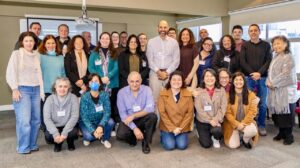
Masculinities, behaviors, and relationships
In the second part of the module, the discussion moved on to masculinities and their influence on the expression of emotions, self-care, and relationships. In a persona-building activity, each group was invited to create a character representing “the modern man”.
To highlight the social forces involved in shaping what it means to be a man, the teams were given examples of prejudiced and stigmatizing norms that prescribe certain forms of masculinity. Based on these, they discussed expectations related to emotional control, self-sufficiency, competition, the pursuit of status, and the excessive prioritization of work.
The meeting concluded with a group discussion on how expectations tied to a biased view of masculinity can contribute to situations of violence, affect men’s mental health, and have repercussions that also impact women. The activity encouraged reflection on vulnerability, emotional expression, respecting one’s own boundaries, and seeking support.
The 2026 Organizational Development Pathway is part of BIREME’s efforts to strengthen the competencies of its staff and recognize their value, contributing to an increasingly healthy, respectful, and collaborative work environment.
This text was written with contributions from Rogério Cortês of Catalisar Corporate Education.