Scientific perspectives for History and Health
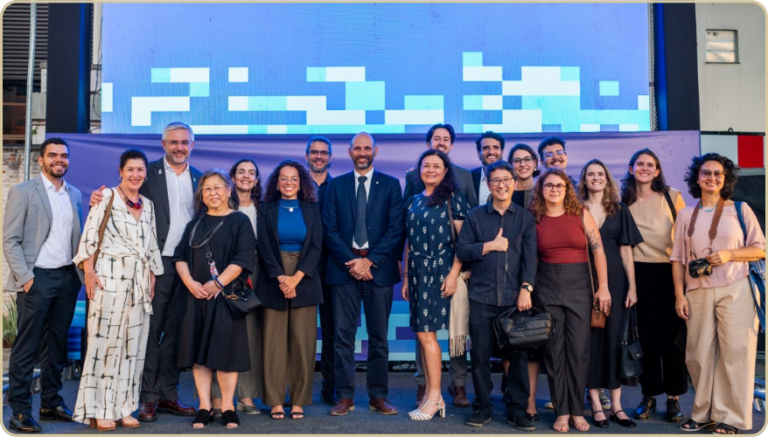
The launch of the COVID-19 Pandemic Digital Memorial, held in the context of World Health Day 2026, aligns with the global theme “Together for Science,” which highlights the role of scientific collaboration and evidence production in protecting population health. For the project’s development team, the memory of the pandemic should not be limited to recording the past; it must be recognized as a strategic scientific and social asset to understand health crises, guide public health responses, and strengthen preparedness for future emergencies.
In this context, the Digital Memorial offers a valuable collection for future research, fostering the creation and consolidation of a policy that connects experience, evidence, and action, expanding the role of memory in the field of public health. Its documentary set enables the investigation, from multiple perspectives, of the social, cultural, and health impacts of the pandemic in Brazil, integrating contributions from both the humanities and health sciences.

Professor Thiago Nicodemo, coordinator of the Digital Humanities Center (CHD) at Unicamp, notes that, for historians and humanities researchers, the great value lies in the availability of these plural and regional sources, allowing in-depth analyses of social inequalities, collective mourning, and post-pandemic memory reinterpretations—something impossible with isolated official data.
For Nicodemo, the expansion of communication through digital media, such as emails, instant messaging applications, and social networks, creates a dangerous paradox for memory: “The more society operates through digital interfaces, the more we forget things. The greater the need to hold on to memory. So memory, although it becomes more difficult, also becomes more necessary—and it is not a need identified by academia, but one felt by people, because they have a need for identity.”
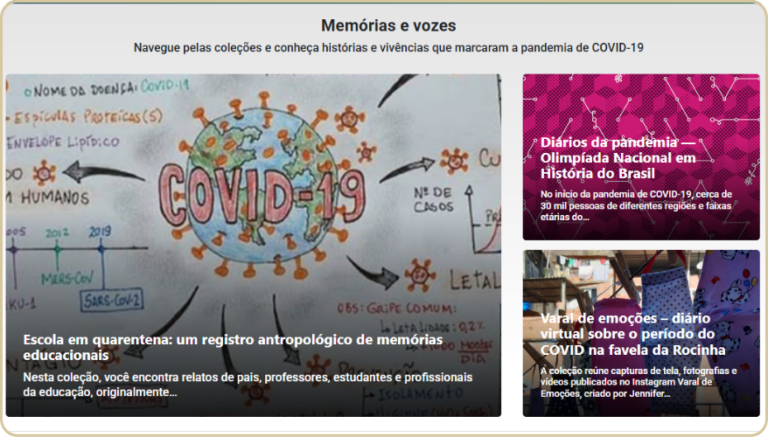
The diversity of sources that make up the Memorial’s collection is also noteworthy, expressing in concrete terms a commitment to equity and to valuing multiple social realities—core principles of PAHO’s mission to promote health for all and reduce health inequities. At the time of publication, the collection includes photographs of daily urban life in Rio de Janeiro during the health crisis, social media accounts of the impact of remote education in school communities, and dozens of testimonies from leaders, nurses, students, teachers, older adults, and youth from eight Indigenous peoples in Amapá, expanding the visibility of historically underrepresented groups in knowledge production.
For Ian Marino, professor at the Federal University of Juiz de Fora (UFJF), who leads the curation and archiving efforts, the distinctive feature of the Digital Memorial is that it is built from the bottom up: “the Memorial is like a gateway to records produced in a decentralized way by people themselves, providing infrastructure for preserving this heritage.” In the coming months, this collection will continue to grow, incorporating new collections and records of experiences from a wide range of regions and social groups across Brazil.
From a public health perspective, this set of records constitutes a strategic foundation for knowledge production and for strengthening public health responses. This multidisciplinary base guides the development of the Memorial by integrating different fields of knowledge in the generation of evidence to strengthen public health.
João Paulo Souza, Director of BIREME, highlights that, in addition to supporting scientific production, the Digital Memorial also functions as a space for social mediation of health and for strengthening cultural competence in public health practices. By bringing together diverse narratives about the pandemic—from Indigenous communities, urban peripheries, school networks, and different age groups—the portal demonstrates how social, economic, territorial, and cultural factors deeply shape experiences of illness and care. This body of records also contributes to contextualization: by situating pandemic events within their specific local and regional settings, the collection enables researchers and policymakers to understand not only what happened, but under what conditions and for whom. In this sense, the Memorial recognizes and values experiential evidence—lived evidence—produced by those who faced the crisis firsthand, as a legitimate and irreplaceable source of health knowledge. “This approach aligns with the public health tradition, which understands health as the result of multiple determinants and recognizes the importance of lived experiences in shaping more equitable public policies.”
For Silvia de Valentin, a BIREME administrator who led the initial negotiations for formalizing the project, “it was possible to observe, throughout the development of the Digital Memorial project, the strengthening of its purpose and mission equally aimed at addressing the needs of both the history and public health fields, positioning BIREME and its partners as key actors in this initiative,” she notes.
One of the premises of the Digital Memorial is that collections organized over time make it possible to better understand the dynamics of human experience with diseases, their contexts, and their impacts on different populations, contributing to faster and more qualified analyses in crisis situations. Juliana Sousa, librarian and BIREME project focal point, reinforces this perspective by stating: “Information management practices help structure, preserve, and give meaning to pandemic records, transforming data and documents into organized, accessible, and preserved knowledge for future generations.”
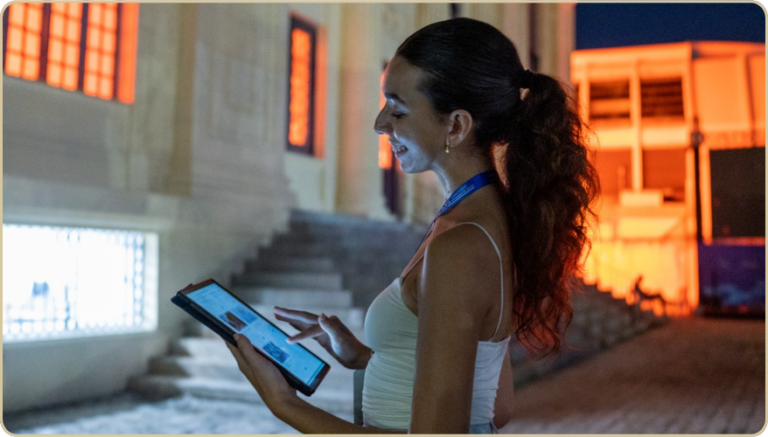
For researcher Josiane Roza de Oliveira, responsible for collecting and curating the project’s collections, initiatives like this resemble the role historically played by museums and scientific collections at the interface between science and society. “Health and hygiene exhibitions and collections have been used as tools for health communication, translating technical knowledge for the public and guiding individual and collective behaviors,” she emphasized. In the digital environment, this role is expanded by enabling open access, the circulation of high-quality information, and the fight against misinformation at scale.

The articulation between memory and public health becomes even more relevant when considering the role of past experiences in preparing for future emergencies. By preserving evidence, narratives, and lessons learned, the Memorial helps policymakers, researchers, and health professionals critically analyze the responses adopted during the pandemic, identifying challenges, best practices, and gaps that need to be addressed.